The history of Le Croisic is closely linked to the development of sea bathing from the 19th century onwards.
It was from the first half of the 19th century that the French coastline, particularly that of Brittany, gained importance in the eyes of certain French people from the aristocracy and the bourgeoisie, more accustomed to rural, hunting, and riverside destinations.
Among them were Romantics seeking solitary and wild spaces conducive to reverie, such as Chateaubriand, who saw inspiration and escape in the shores, and the medical world of the time, which spread the taste for sea bathing for therapeutic purposes.
This is how the Guérande peninsula and the villages of Batz and Le Croisic experienced their seaside tourism boom, notably with the visit of Honoré de Balzac, who came to bathe in the sea at Le Croisic and described it in his novel Béatrix in 1838. Other writers also stayed at Le Croisic, such as Gustave Flaubert and Alfred de Musset, followed.
From the mid-19th century, Le Croisic was a well-known and popular seaside resort.
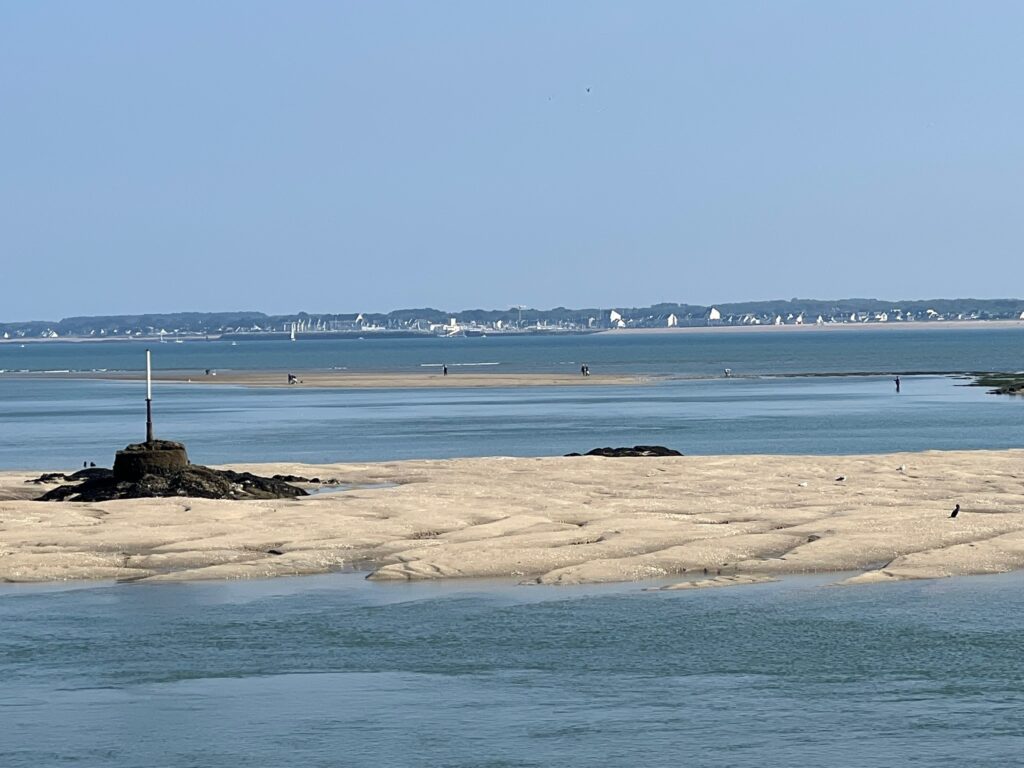
On the Guérande Peninsula, only the commune of Le Croisic was able to provide the infrastructure and natural resources necessary for the development of seaside tourism.
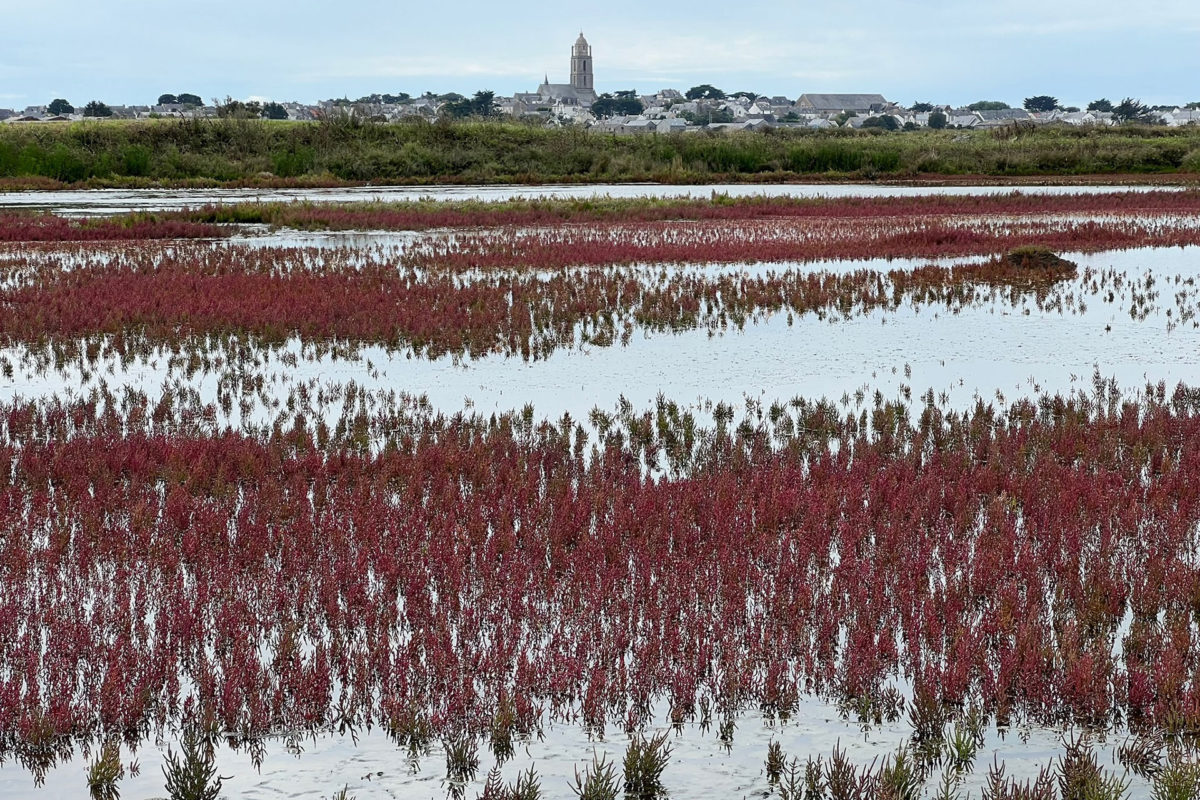
A town of privateers, shipowners, and fishermen, it was an important region with a population of over 2,000, hotels, sufficient shops, and, above all, proximity to the salt marshes, which provided the salt used for the therapeutic treatment of the sick, and the movement of the waves on the beaches, recommended for their invigorating effect on bathers’ bodies.
Thus, everything was in place to make Le Croisic a fashionable seaside resort.
Thus, the first establishment opened in 1854, the Hôtel des Bains de l’Etablissement Deslandes near the Tréhic jetty, a sort of marine institute with a dual purpose: tourism and medicine.
It was the arrival of the railway, with the opening of the Saint Nazaire-Le Croisic line on May 11, 1879, that brought a new lease of life to tourism on the Guérande Peninsula.
Three trains daily connected Paris to the peninsula’s five railway stations, including Le Croisic, its terminus.
The railway brought a new clientele and investors who expanded the seaside and private development.
At the same time, the development of the automobile would have a decisive impact on the development of the peninsula’s seaside resorts, particularly in Le Croisic, where, from the beginning of the 20th century, several architects built villas outside the town, favoring the wild coast and sea views.
Several villas would emerge in St Goustan, Le Castouillet, near Pierre Longue, and on Port Lin beach, including the Villa du Lin, built by our ancestors at the end of the 19th century, giving rise to a linear urbanization along the peninsula’s coastline.
From the 1930s onwards, seaside activities were affected by alternating depressions and booms. The tourism sector became highly sensitive to economic conditions, such as the 1929 crisis, which brought about the stagnation of the seaside resort of Le Croisic, or the political climate with the outbreak of World War II, which paralyzed the local economy of the peninsula.
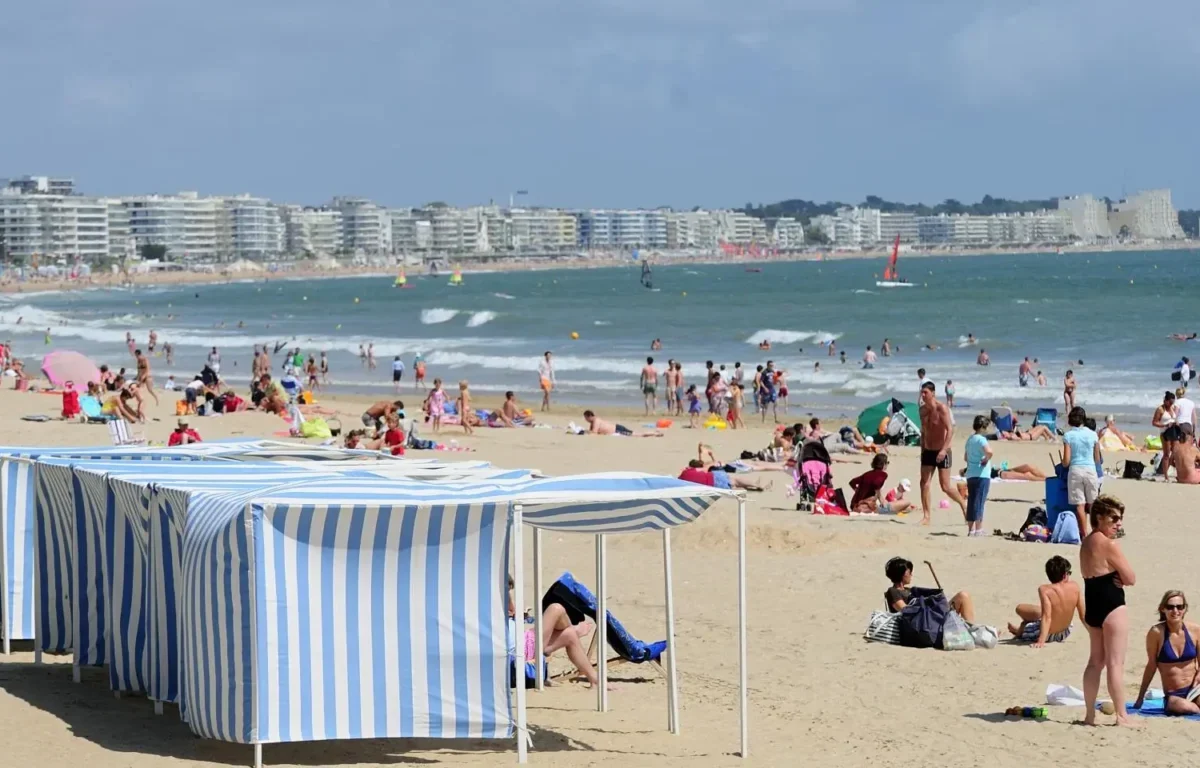
It wasn’t until the early 1950s that the tourism sector on the peninsula began to revive, with the construction of large housing developments, particularly in La Baule, popular with vacationers due to their convenience and lower maintenance requirements than a villa.
The second characteristic of the period is the rise of camping, an economical form of accommodation that is growing rapidly in Le Croisic (8 campsites) due to the affordability of land and the opening of numerous summer camps.
All of this is leading to profound changes in the tourism sector. Accommodation options in seaside resorts are changing. Hotels, the first form of accommodation, are being seriously affected, sometimes replaced by large apartment buildings. Smaller hotels are also losing customers due to campsites, and the construction of new hotels is becoming very rare.
The clientele itself is changing, becoming less national and international, and more regional. Many Nantes residents are making Le Croisic their weekend getaway, as Nantes is only an hour’s drive from Le Croisic.
Le Croisic remains a seaside destination that stands out from the general evolution of seaside tourism because it is a destination that has managed to retain its charm, which remains authentic, family-oriented and preserved compared to La Baule, a more worldly, more Parisian destination.
Nonetheless, tourism in Le Croisic is linked to the evolution of leisure and health practices in Brittany to this day.
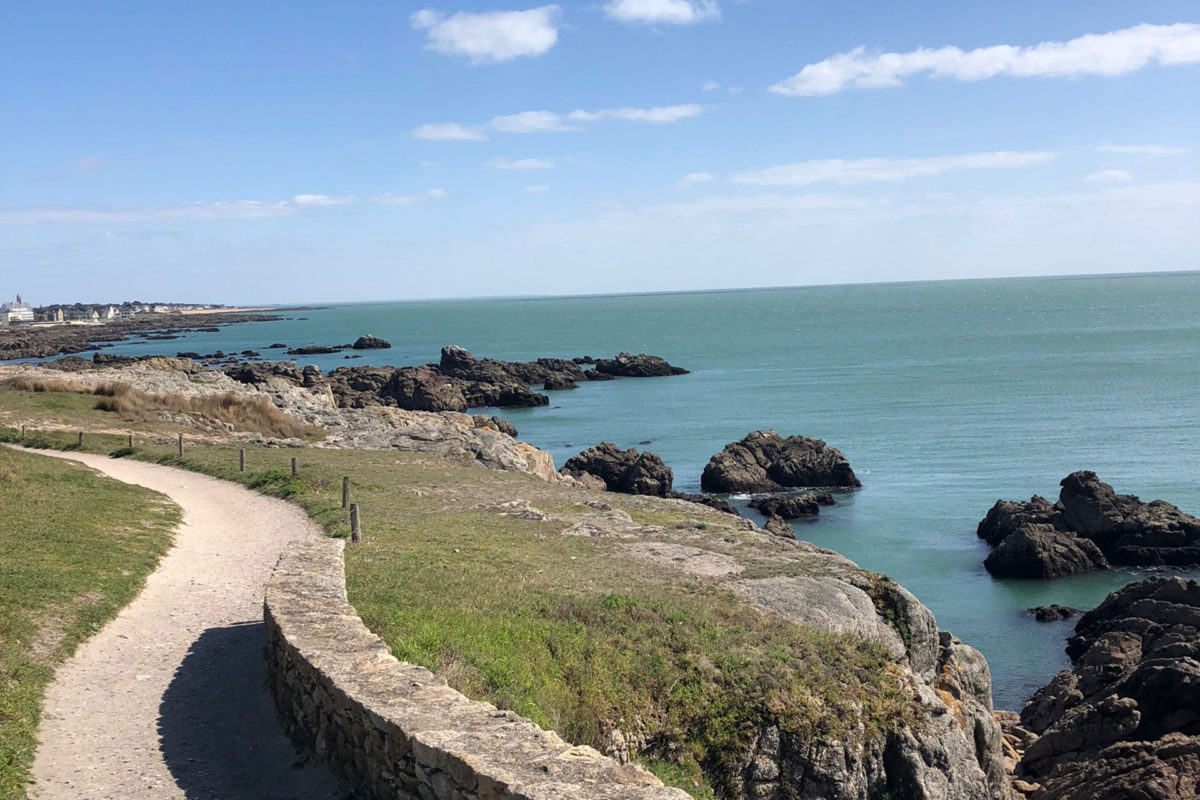
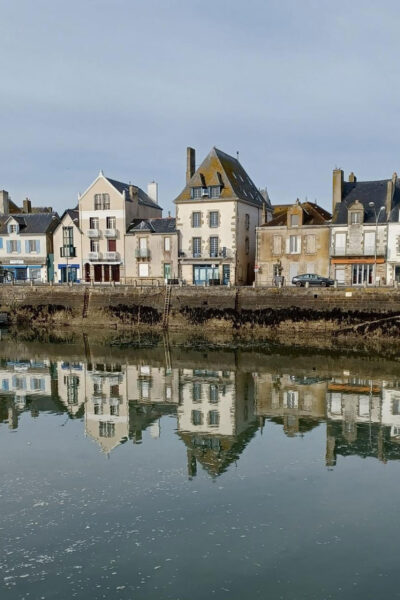
People come here for nature tourism, thanks to the development of the coastal path around the peninsula; heritage tourism, with old shipowners’ houses, half-timbered houses, turn-of-the-century seaside villas, cobbled streets; and maritime tourism. The fishing port remains a key attraction.
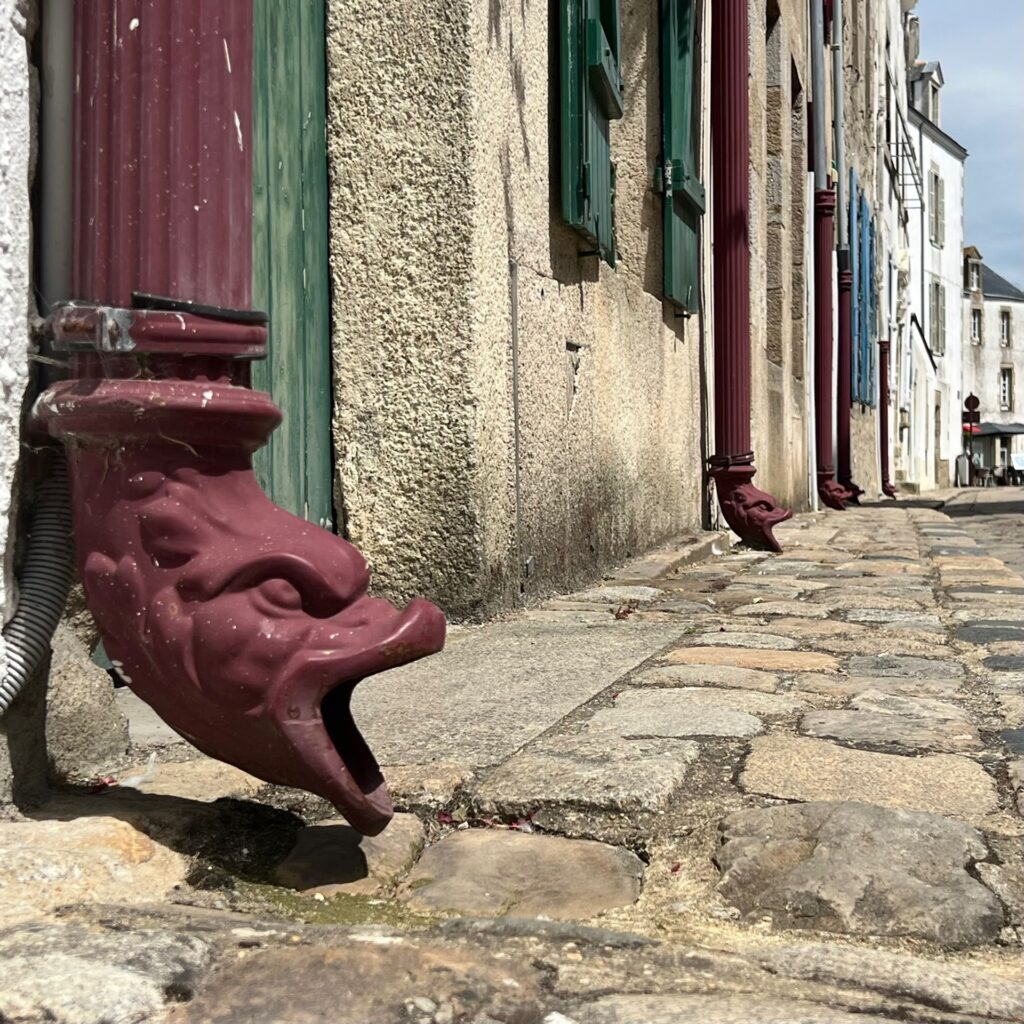
Le Croisic maintains its identity as a healthcare destination for people with disabilities, illnesses, or social distress, who come here to seek the benefits of the sea air to help heal some of their illnesses.
La Maison du Traict is part of the seaside history of Le Croisic over time and in this second quarter of the 21st century, it offers the possibility of staying in an elegant, comfortable guest house in the heart of the historic center, an ideal starting point for discovering the small town of character and its exceptional natural environment.